HOA Cracked Driveway Violation in Florida: Repair, Resurface, or Replace?
Published November 16, 2026 • 9 min read
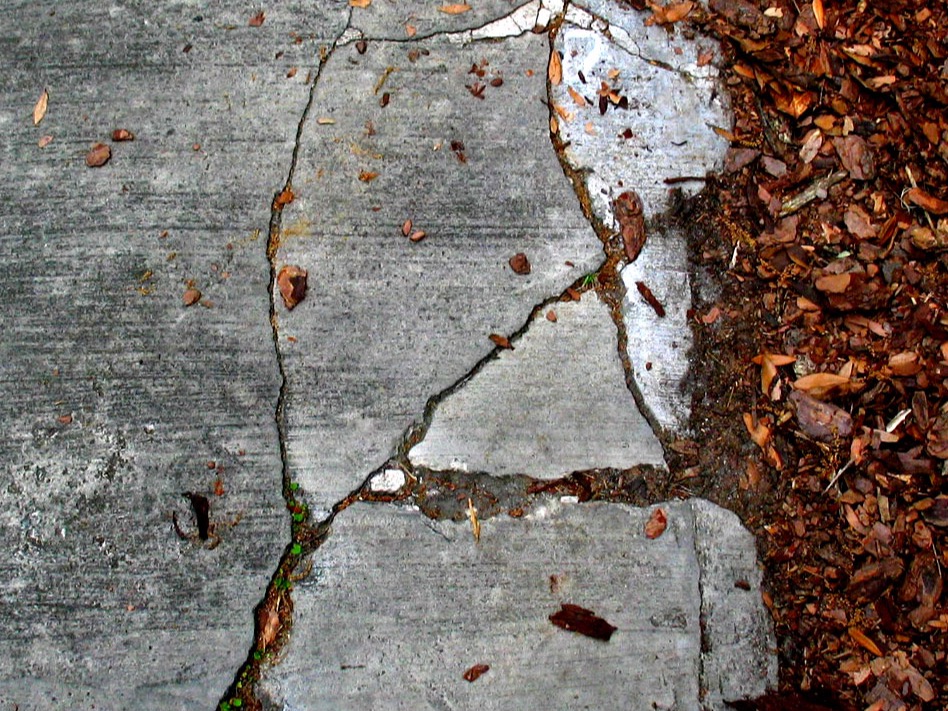
Short answer
A Florida HOA can cite a cracked, sunken, or broken concrete driveway if your declaration or its authorized rules require exterior improvements to be kept in good repair, and Fla. Stat. §720.3035 requires those rules to be applied evenly. Match the fix to the crack: sealing for flat cracks, an overlay for a worn surface, lifting or re-pouring a single sunken panel, and replacement only when the slab is broken up. In unincorporated Palm Beach County, resurfacing or repaving without widening is a Type 1 site plan review permit, not a full building permit. Finish the work before the hearing under §720.305(2) and no fine can be imposed.
South Florida driveways have a hard life. Sandy soil settles, sprinkler overspray washes fill out from under the edges, tree roots push up from one side, and heavy trucks back onto a slab that was poured for a sedan. Cracks show up, then weeds, then a dark line of dirt. Eventually a drive-through inspection turns it into a letter that says something like “driveway in disrepair” with a date.
The good news is that most driveway notices don’t require a new driveway. This guide covers what the letter is usually citing, what Florida law lets the association require, which repair fits which crack, where Palm Beach County permits come in, and how to close the file before a fine.
What a Driveway Notice Usually Means
Find the section of the declaration or rules the notice cites, then read the description of the problem closely. Driveway citations tend to fall into a few groups:
- Open or weedy cracks. Gaps wide enough to hold grass, sand, or ants, usually cited as a maintenance or appearance issue.
- Trip hazards. A panel that has sunk or lifted so one edge sits higher than the next, often near the sidewalk or garage.
- Broken concrete. Corners snapped off, sections in loose pieces, or crumbling edges along the lawn.
- Surface wear. Flaking, pitting, or a rough top layer that makes the driveway look patched.
- Staining. Oil, rust, or mildew that often comes with cracked concrete but is a separate cleaning issue.
If the letter is about the driveway’s size, a new parking pad, or a material change rather than its condition, it’s a different problem; see our guides to driveway extensions and parking pads and driveway paver violations.
What Florida Law Lets the HOA Require
Chapter 720 doesn’t mention driveways specifically. The citation rests on your documents, and a few statutory sections shape how the association can use them.
Maintenance covenants come from your declaration.Most declarations require owners to keep the lot and every improvement on it in good repair. That general duty is what a cracked-driveway notice almost always relies on. It doesn’t set a crack-width standard, so the board and manager apply it with judgment, which is why asking what they consider cured matters.
Appearance rules need a basis in the documents, §720.3035(1)(a).The association’s authority over the “location, size, type, or appearance” of improvements exists only to the extent it is specifically stated or reasonably inferred in the declaration or the guidelines it authorizes, and it must be applied reasonably and equitably to all owners. That matters when you choose a fix that changes the look of the driveway.
Denials must be specific, §720.3035(4)(a).If you apply to replace a cracked driveway with pavers or a coated finish and get turned down, the written denial has to state the rule relied on and which part of your request doesn’t conform.
Fines and the cure window, §720.305(2).A fine requires at least 14 days’ written notice and a hearing before a committee of at least three members who are not officers, directors, or employees. The statutory default is up to $100 per violation and $1,000 in the aggregate for a continuing violation, unless your documents provide otherwise. If you cure before the hearing, the fine may not be imposed. Our guide to curing before the hearing walks through the timeline.
If several neighbors have driveways in the same condition and only yours was cited, take dated photos of what you see from the street. That supports a fair-enforcement question, but it doesn’t pause the hearing clock, so keep the repair moving while you raise it.
Match the Fix to the Crack
The most common mistake is buying more driveway than the notice requires, or less. A contractor who only replaces slabs will recommend replacement; one who only seals will recommend sealing. Look at the condition first.
| What you see | Usual fix | Watch for |
|---|---|---|
| Hairline cracks, flat, no movement | Clean out and seal with a flexible concrete crack sealant; pressure-wash the whole driveway so the patch blends | Ask whether the HOA considers these a violation at all; many are normal shrinkage cracks along joints |
| Wider cracks with weeds or grass | Pull the growth, rout and clean the crack, then fill with a backer rod and sealant | Weed killer alone won’t close the notice if the open crack is the cited condition |
| Surface flaking, spalling, or a rough patchy top | Resurface with a bonded cementitious overlay over the existing slab, after repairing cracks underneath | Overlays change color and texture; confirm the finish is acceptable under your guidelines |
| One panel sunken, raised, or tilted | Lift the panel (slab jacking or foam injection), or cut out and re-pour that section | A raised edge that someone could trip on is the item most associations push hardest on |
| Broken into loose pieces, or cracked across most panels | Remove and replace the affected panels or the whole driveway | Replacement is where county review and an architectural application are most likely |
| Cracks plus rust or oil stains | Treat and clean stains first, then seal cracks, so the cleaning doesn’t lift new sealant | Stains are often cited separately; see the oil-stain and rust-stain guides |
Before any of these, find the cause if you can. A crack that keeps reopening next to a sprinkler head or a downspout is a water problem, and the patch will fail again until the water is redirected. Our guide to irrigation and sprinkler violations covers spray patterns and runoff. If a tree is lifting the slab, root work may need its own approval, and the same issue on the public walk in front of the house is covered in our sidewalk repair guide.
Permits: Where Palm Beach County Fits In
For unincorporated Palm Beach County, the Building Division’s Items Not Requiring a Permit guide sorts driveway work into three buckets:
- No permit:sealcoating an asphalt driveway on a one- or two-family home is on the list of items that don’t require a permit. Sand-set pavers are also listed, but the same entry excludes driveways and turnouts.
- Type 1 Site Plan Review Permit:“Driveway, Parking, Resurfacing, Repaving” for one- and two-family dwellings, with no expansion of the paved area and no work in the right-of-way. The guide explains that Type 1 items need only a zoning review and are exempt from inspection and building code review, though the work must still meet minimum code standards.
- Outside the exemption: widening the driveway, adding paved area, or working in the right-of-way. Those need more than a Type 1 review.
Two caveats. The county document is dated (its revision line reads 4/12/13), so call the Building Division if your job is close to a line. And if your home is in Boca Raton, Jupiter, Wellington, West Palm Beach, or another city with its own building department, that city’s rules apply instead. Your contractor should know which office reviews driveways at your address, and should be the one pulling any permit.
Have a driveway notice with a deadline?
Tell us what the letter says and the hearing date. We’ll map out whether sealing, resurfacing, or a panel replacement fits, and what to send the association before the hearing.
When You’re Replacing, Not Repairing
If the slab is too far gone, a full replacement opens the door to a different look. That is also where architectural review starts to matter. File an application before work begins if you want to change any of these:
- Material. Pavers or stamped concrete instead of plain broom-finished concrete.
- Color. Integral color, stain, or a coating system on top of the new slab.
- Shape and size. Any change to the footprint, flared edges, or a wider apron.
- Borders. Paver ribbons, decorative bands, or edging that wasn’t there before.
Include a site sketch with dimensions, the product name and color, a photo of a sample, and the contractor’s name. If the guidelines list approved finishes, §720.3035(2) means the association can’t deny one of them. If you’re matching what was there, say so plainly: “like-for-like replacement, same footprint, gray broom-finish concrete.” That sentence often speeds the review.
A Cure Plan That Closes the File
- Read the notice and note the cited section, the described condition, and the deadline or hearing date.
- Photograph the driveway from the street and up close, with a tape measure across the widest crack and any raised edge.
- Email the manager to ask what condition they will accept as cured, and whether sealing, resurfacing, or panel replacement is acceptable.
- Get the repair scoped. If it changes appearance, file the architectural application at the same time.
- Confirm with the contractor whether the county or your city requires a Type 1 review or another permit for the work.
- If the timeline is tight, ask in writing for a short extension, with the contractor’s scheduled date attached.
- After the work, send dated photos and ask for a written clearance or reinspection. Our clearance and reinspection guide covers what to request.
Most driveway repairs short of replacement can be scheduled well within a typical notice window. Cleaning helps too: a fresh pressure-wash after sealing makes the repair blend and removes the dirt lines inspectors notice first. Our pressure washing guide and oil stain guide cover the cleanup side.
Frequently Asked Questions
Can my Florida HOA fine me for a cracked driveway?
Yes, if your declaration or the rules it authorizes require driveways or exterior improvements to be kept in good repair, which most maintenance covenants do. The fine still has to go through Fla. Stat. §720.305(2): at least 14 days’ written notice and a hearing before a committee of at least three members who are not officers, directors, or employees. If you cure the violation before the hearing, the fine may not be imposed.
Is every crack in a concrete driveway a violation?
No. Concrete cracks as it cures and as the ground under it moves, and many hairline cracks along control joints are normal. Whether a crack is a violation depends on what your documents say. Notices usually target cracks that are wide, raised, broken into loose pieces, filled with weeds, or visibly stained. Ask the manager which section of the documents the notice relies on and what condition they consider cured.
Do I need a permit to fix a cracked driveway in Palm Beach County?
It depends on the work. The county’s Items Not Requiring a Permit guide lists sealcoating an asphalt driveway as needing no permit. It lists driveway resurfacing and repaving on one- and two-family homes, with no expansion of the paved area and no work in the right-of-way, as a Type 1 Site Plan Review Permit, which is a zoning review that is exempt from building inspection. Widening the driveway or working in the right-of-way falls outside that. Homes inside a city follow that city’s building department.
Do I need HOA approval to replace my driveway?
Often yes, if you are changing the material, color, finish, or size. A like-for-like repair, such as sealing cracks or replacing a broken panel with matching gray concrete, is less likely to need an architectural application, but check your guidelines. Switching to pavers, a colored coating, or stamped concrete is a change in appearance that many associations review under §720.3035.
Will crack filler satisfy the HOA?
Sometimes. A clean, sealed crack that sits flat often closes a notice about cracks and weeds. It usually won’t close one about a sunken or raised panel, a trip edge, or broken pieces, and a dark filler line on light concrete can draw its own comment. Ask the manager, in writing, whether sealing will be accepted before you choose that route.
Who pays if the crack is in the apron near the street?
Check who owns that strip. In many communities the apron between the sidewalk and the street sits on common area or a right-of-way, not your lot. Your declaration, plat, and survey show the boundary. If it isn’t your property, the repair may be the association’s or a government’s responsibility, and work in a public right-of-way is outside the county’s Type 1 exemption.
Ready to clear the notice?
Get a fix plan for crack sealing, resurfacing, or a panel replacement, or draft a written reply that cites the right statute with the free HOA Response Generator.
Get My Fix Plan →Sources: Fla. Stat. §720.3035 and §720.305 (2026), The Florida Senate; Palm Beach County Planning, Zoning & Building Department, Building Division, “Items Not Requiring a Permit” (revision 4/12/13), accessed November 16, 2026. This page is general information, not legal advice. Your declaration, guidelines, and local building department control the details, and a Florida HOA attorney can review your specific notice.