HOA Pet Waste Violation in Florida: What the Notice Means and How to Close It
Updated October 31, 2026 • 10 min read
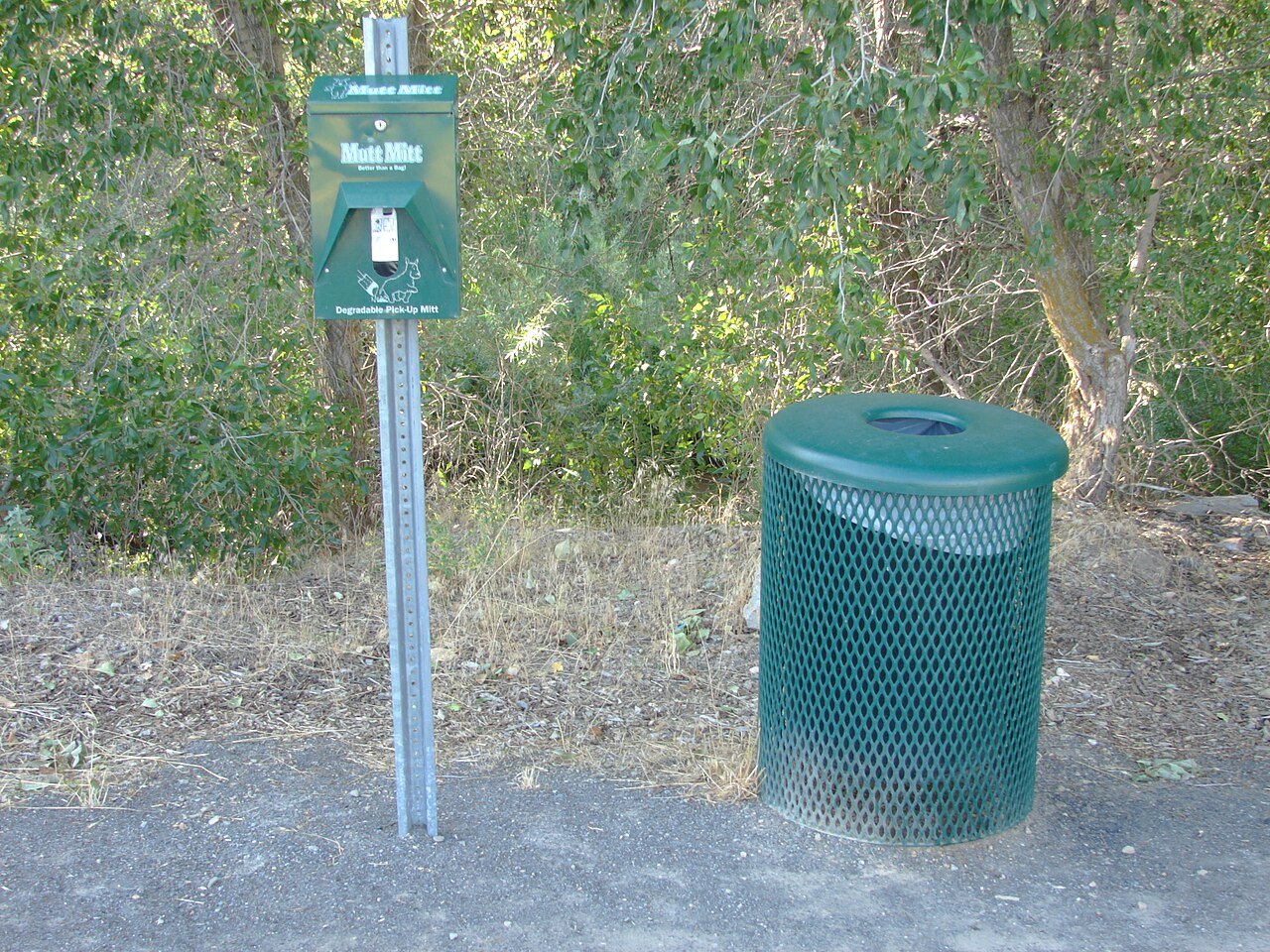
Dog waste is one of the most common complaints in Florida HOAs, and one of the easiest to escalate if it’s ignored. A notice usually means one of four things: waste left on common areas or a neighbor’s lot, waste piling up in your own yard, lawn damage from pet urine, or a tenant’s or guest’s dog. Florida Statute §720.305 lets the association fine or suspend common-area privileges for violations of its documents, but only after written notice and a hearing before an independent committee, and not at all if the violation is cured first. Most pet waste files close with a quick cleanup, a written response, and a change in routine.
This guide walks through how to read the notice, what the HOA can and can’t do, how Palm Beach County’s own animal ordinance fits in, and the steps that close the file before fines start.
Step One: Figure Out What the Notice Is Actually About
Pet waste notices are often vague (“pet violation” or “nuisance”). Ask for the specific rule and the date, time, and location if the notice doesn’t say. The fix depends on which of these it is:
| What the notice says | What it usually means | Typical way to close it |
|---|---|---|
| “Failure to remove pet waste” / common area | Someone reported or photographed waste left on a common area, sidewalk, or another lot | Written response, change walking routine, carry bags; dispute in writing if it wasn’t your dog |
| “Sanitation” / “odor” / “unsightly condition” on your lot | Waste accumulating in your own yard, often visible or smelled from a neighbor’s lot | Full yard cleanup, then a regular schedule (yourself or a pet waste removal service); dated photos |
| “Lawn not maintained” / brown or dead patches | Pet urine has burned spots in the front lawn | Replace damaged turf to match, change where the dog goes; see our dead lawn guide |
| “Pet off leash” or “pet rules” plus waste | The waste complaint is bundled with a leash or roaming complaint | Address both in one response; leash rules are often also a county issue |
| Notice names a tenant or guest | A renter’s or visitor’s dog, with the owner on the hook under the documents | Notify the tenant in writing, confirm the fix, and respond to the HOA yourself |
Where the HOA’s Power Comes From
Pet waste rules live in your community’s documents, not in Chapter 720 itself. Look in the declaration of covenants (often a “pets” or “animals” section and a general nuisance clause) and in the rules and regulations the board has adopted. Chapter 720 supplies the enforcement framework:
- Who is bound. §720.305(1) says each member and the member’s tenants, guests, and invitees must comply with Chapter 720, the governing documents, and the association’s rules.
- Fines. §720.305(2) allows reasonable fines for violations of the declaration, bylaws, or reasonable rules. Unless the governing documents provide otherwise, a fine may not exceed $100 per violation, and fines for a continuing violation may not exceed $1,000 in the aggregate. A fine of less than $1,000 may not become a lien against your home.
- Suspensions. §720.305(2)(a) allows suspending common-area and facility use (pool, clubhouse, dog park) for a reasonable period, but not access or utility portions of the common area, and never your vehicle or pedestrian access to your home, including parking.
- Notice and hearing. §720.305(2)(b) requires at least 14 days’ written notice of your right to a hearing before a fine or suspension is imposed. The notice must describe the alleged violation and the specific action required to cure it, and the hearing must be held within 90 days before a committee of at least three members who aren’t officers, directors, or employees, or their close relatives.
- Cure. §720.305(2)(e) says that if the violation is cured before the hearing, or in the manner specified in the notice, a fine or suspension may not be imposed.
For a yard or lawn problem, “cured” is easy to show: it’s clean, and you have photos. For a single incident on a common area, what counts as a cure is less obvious, because the waste is usually gone by the time the notice arrives. Read the cure language in your notice carefully, answer it in writing, and raise the question at the hearing if a fine is proposed for something that has already been cleaned up. If you think the rule is being enforced against you but not against other dog owners, our selective enforcement guide explains what that argument requires.
Need to answer the notice this week?
Our free HOA Response Generator drafts a reply that acknowledges the notice, asks for the specific rule and the evidence, and confirms the cleanup or schedule you’ve put in place.
Draft My HOA Response →Palm Beach County’s Animal Ordinance Is a Separate Layer
Your HOA’s rules aren’t the only ones in play. Palm Beach County’s animal care and control ordinance (Chapter 4 of the county code, adopted as Ordinance 98-22) includes a section titled “Animal waste” (Sec. 4-9) that makes the owner of every dog and cat responsible for removing waste the animal leaves on public property, public walks, public beaches, recreation areas, and other people’s private property. The same chapter’s dog and cat control section (Sec. 4-4) says a dog off property that is exclusive to its owner must be under restraint, such as a leash, with limited exceptions like designated off-leash dog parks.
Two practical points follow. First, a neighbor can complain to the county as well as to the HOA, and the two processes run independently. Second, the county ordinance covers unincorporated Palm Beach County; many cities have their own codes, so check your city if you live in a place like Boca Raton, Jupiter, or Wellington. The county publishes the ordinance text on its Animal Care and Control ordinance page.
How to Close a Pet Waste Violation Fast
- Read the notice for the rule, the date, and the cure. If any of the three is missing, ask for it in writing.
- Fix what you can see today. If the notice is about your yard, clean it completely and bag and bin the waste. Take dated photos from the street and from the side the complaint likely came from.
- Put a routine in place. Carry bags on every walk, use the community’s waste stations, and pick a regular yard cleanup day. If you can’t keep up, a pet waste removal service on a set schedule is a fix the HOA can verify.
- Respond in writing before the cure date. Acknowledge the notice, describe what you’ve done, attach photos, and ask the manager to confirm the file is closed. If you believe it wasn’t your dog, say so politely and ask what evidence the association has.
- Handle tenants and guests directly. Send your tenant the notice and the rule, ask for a written acknowledgment, and keep a copy. See our landlord and tenant responsibility guide.
- Fix the lawn if it’s part of the notice. Replace burned patches with sod or seed that matches the rest of the lawn and move the dog’s routine to the back yard or off the lawn. Our dead or brown lawn guide covers what HOAs usually accept.
When It’s a Yard Problem, Not a Walking Problem
Notices about waste in an owner’s own yard are usually written under a general maintenance, sanitation, or nuisance clause rather than a pet rule. That matters for two reasons. The standard is about the condition of the lot, so the fix is a clean yard and a schedule rather than an argument about whose dog it was. And these complaints almost always come from a neighbor who can see or smell the yard, so the fastest way to stop repeat notices is a routine your neighbor can notice too.
In South Florida’s heat and summer rain, a yard that gets cleaned once a week can still draw complaints. If your dog uses a side yard along a property line, move the routine away from the line or clean that strip more often. If you use a fenced dog run, keep the surface something you can clean; gravel and mulch hold odor longer than a surface you can rinse. Check your architectural guidelines before adding fencing or a new surface, because those can be a separate approval. Our fence violation guide covers that side.
Pet DNA Programs, Cameras, and Disputed Notices
Some communities respond to repeated complaints with pet DNA registration programs, where owners submit a cheek swab and unclaimed waste can be tested and matched. Others rely on photos from residents or cameras. If your association uses either, ask three questions in writing: which rule or amendment adopted the program, how the evidence connects to your dog, and what the notice is asking you to do to cure. Whether a particular program was properly adopted and can be enforced depends on your documents and how they were amended, which is a question for a Florida HOA attorney, not a blog.
Disputing a notice is reasonable when the facts are wrong. It works best when you stay specific and polite, respond before the cure date, and bring something concrete to the hearing, such as your walking route or a neighbor who can confirm your routine. Our HOA hearing process guide explains what happens at the committee meeting.
Common Mistakes That Turn One Notice Into Fines
- Ignoring a vague notice. The hearing clock still runs. A short written reply keeps you in the process.
- Arguing with the neighbor instead of the association. The board and the committee decide fines, not the person who complained.
- Cleaning up without documenting it. Dated photos are what prove a cure.
- Assuming an assistance animal is exempt from cleanup rules. Accommodations deal with whether the animal can live there, not with leaving waste behind. See our emotional support animal guide.
- Letting a tenant handle it alone. The notice is addressed to you as the owner, and you’re the one who can lose amenity access or face fines.
- Mixing up pet-count or breed rules with waste rules. If the notice also raises how many pets you have or a breed limit, that’s a different issue; our pet and breed restriction guide covers it.
If Fines or a Suspension Are Proposed
Under §720.305(2)(b)–(f), you get at least 14 days’ written notice of the hearing, the committee decides by majority vote whether to confirm or reject the proposed fine or suspension, and it must send written findings within 7 days after the hearing. If a fine is approved and the violation isn’t cured, the payment date must be at least 30 days after that written notice. Bring your photos, any service schedule or receipts, your written response, and a short explanation of what has changed. A committee looking at an owner who has already fixed the problem has an easy reason to reject the fine.
Frequently Asked Questions
Can a Florida HOA fine me for not picking up after my dog?
Yes, if your declaration, bylaws, or properly adopted rules require owners to clean up after pets. Florida Statute 720.305(2) lets an association levy reasonable fines for violations of those documents. Unless your governing documents say otherwise, a fine can't exceed $100 per violation, or $1,000 in the aggregate for a continuing violation. Before any fine is imposed, the board must give at least 14 days' written notice of your right to a hearing before an independent committee of at least three members.
Can my HOA fine me for my tenant's or guest's dog?
It can try. Section 720.305(1) says members and their tenants, guests, and invitees are all governed by the community's documents and rules, and 720.305(2) allows fines against a member or a member's tenant, guest, or invitee. Read your lease and your declaration, tell your tenant in writing, and fix the problem quickly. Our landlord-tenant guide covers who usually ends up paying.
Can the HOA ban me from the pool or clubhouse over dog waste?
Section 720.305(2)(a) lets an association suspend, for a reasonable period, a member's right to use common areas and facilities for violations of the documents. It can't block vehicle or pedestrian access to your home, including the right to park, or the parts of the common area that provide access or utility services. The same 14-day notice and independent committee hearing apply before a suspension.
What if the HOA says the waste was from my dog but I disagree?
Ask in writing what evidence the association is relying on (a photo, a witness, a time and place) and which rule it says you broke. Bring your own evidence to the hearing, such as where you walk your dog and when. If your community uses a pet DNA program, ask for the rule that adopted it and how the sample was matched. This is general information, not legal advice; a Florida HOA attorney can tell you how your documents apply.
Does an emotional support animal have to follow HOA waste rules?
Generally, yes. An assistance animal can change whether a no-pets rule or a breed or weight limit applies to you, but it doesn't excuse leaving waste behind. Cleanup rules are about behavior, not about whether the animal is allowed to live there. See our emotional support animal guide for how the accommodation side works.
Can the HOA put a lien on my home for pet waste fines?
Not for a small fine. Section 720.305(2) says a fine of less than $1,000 may not become a lien against a parcel. Fines can still be pursued in other ways, and an association that wins an action to recover a fine can recover reasonable attorney fees, so unpaid fines are worth resolving rather than ignoring.
Got a pet waste violation notice?
Tell us what the notice cites and your city, and we’ll lay out the cleanup, lawn repair, or response path and the documentation your HOA needs to close the file.
Get My Fix Plan →Sources: Fla. Stat. §720.305(1)–(2)(g) (2026), The Florida Senate; Palm Beach County Code of Ordinances, Chapter 4 (Ordinance 98-22), Sec. 4-4 Dog and cat control and Sec. 4-9 Animal waste, via Palm Beach County Animal Care and Control; checked October 31, 2026. This page summarizes public law and county rules. It is not legal advice. Your declaration, your city or county, and a Florida attorney control how these rules apply to you.