HOA Pool Equipment Violation in Florida: Pumps, Heaters, and Heat Pumps
Published November 9, 2026 • 10 min read
Short answer
A Florida HOA can regulate where your pool pump, filter, heater, or heat pump sits and how it is screened only if your declaration, or the guidelines it authorizes, gives it that power. Fla. Stat. §720.3035 also says the association cannot make a building permit a prerequisite for its review, and must explain any denial with specificity. Most pool equipment notices are about visibility, placement near a lot line, missing screening, or noise. The fastest cure is usually an approved screen or a short move of the pad, done with any permit your building department requires, and finished before the 14-day hearing under §720.305(2).
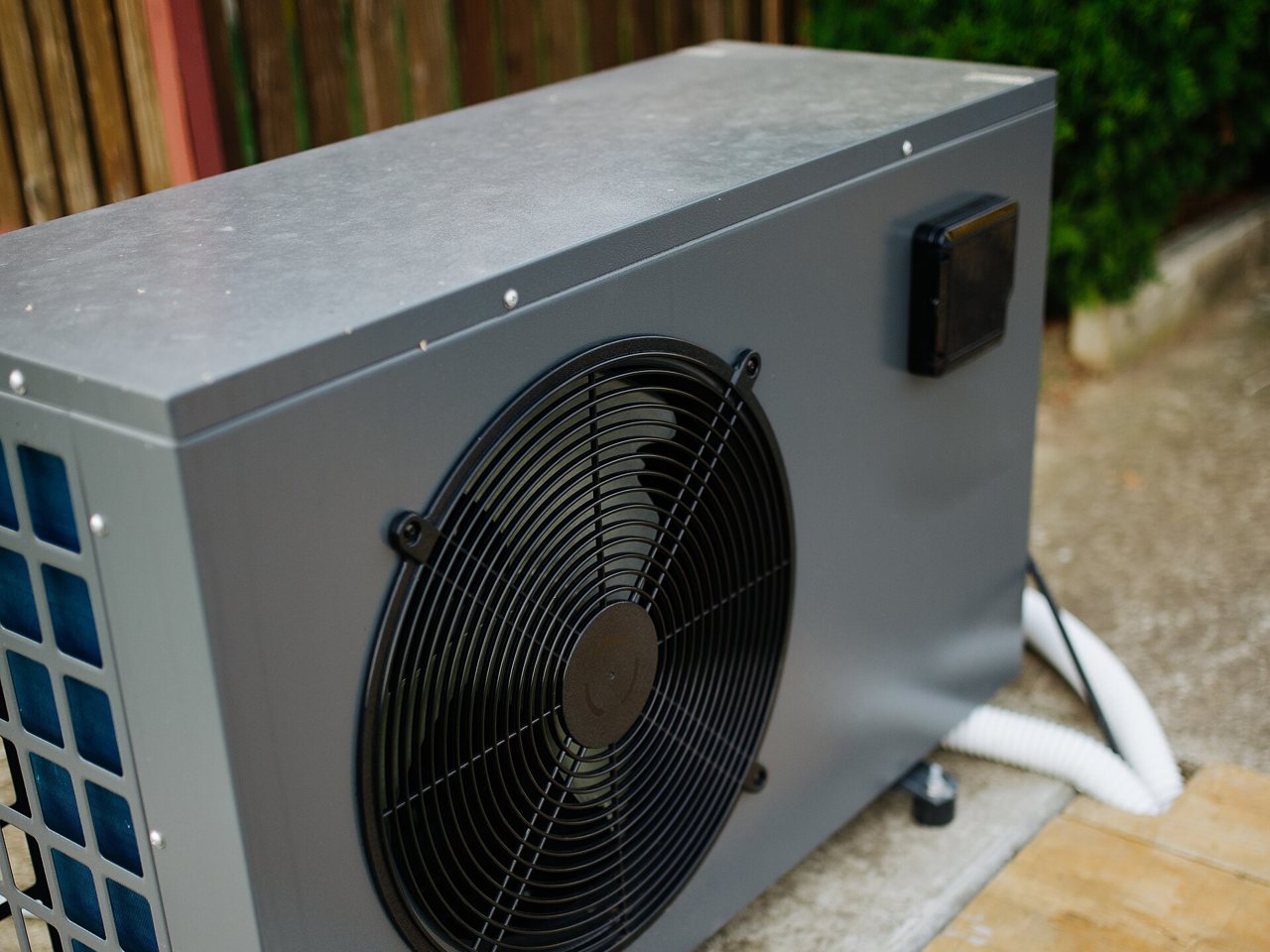
Pool equipment is easy to forget about until a letter arrives. The pump and filter were placed by the original builder, the old gas heater died, and the replacement heat pump went wherever the installer could run power. Then the management company photographs a gray box with a fan grille from the street, or a neighbor complains about the hum at night.
This guide covers what the notice usually means, what Florida law lets the association require, where permits fit in Palm Beach County, the physical fixes that actually close these files, and what to do in the next two weeks.
What Usually Triggers a Pool Equipment Notice
Read the notice for the rule it cites. Equipment citations tend to fall into a handful of buckets, and each one has a different fix.
- Unapproved installation or replacement. A new heat pump, heater, or salt system went in without an architectural application, or in a different spot than the one approved.
- Visible, unscreened equipment. Many declarations require mechanical equipment to be screened from the street or neighboring lots by landscaping, a fence panel, or a wall.
- Setback or placement. The pad was extended toward the side lot line or into an easement.
- Noise or nuisance. A pump running at high speed for long hours, a failing motor bearing, or a heat pump fan facing a neighbor’s bedroom.
- Storage and condition. Chlorine buckets, old filter cartridges, or a dead heater left beside the house; rusted or broken equipment covers.
If the letter mixes more than one of these, deal with them separately in your reply. A storage problem can be gone by the weekend. A relocation might need a permit and an electrician. The broader rules on items left outside are in our exterior storage violation guide.
What Florida Law Lets the HOA Require
Chapter 720 does not mention pool equipment by name. The architectural-control section, §720.3035, sets the boundaries that apply to any exterior improvement, and these parts matter most here.
Authority has to come from your documents (1)(a).The power to review the “location, size, type, or appearance” of an improvement, or to enforce exterior-appearance standards, exists “only to the extent that the authority is specifically stated or reasonably inferred” in the declaration or the guidelines it authorizes. It must be applied “reasonably and equitably” to all owners.
Hidden HVAC systems (1)(b)2.The association may not require plan review for “a central air-conditioning, refrigeration, heating, or ventilating system” that is not visible from the frontage, an adjacent parcel, adjacent common area, or a community golf course and is substantially similar to an approved or recommended system. The statute doesn’t say whether a pool heater or pool heat pump counts. A unit that is visible from any of those places falls outside this protection regardless.
No permit-first rule (1)(c).The association “may not require a building permit” as a prerequisite for its review.
Options in the guidelines (2). If the guidelines list acceptable screening materials or locations, the association cannot stop you from choosing among them.
Denials must be specific (4)(a).A denial must state “with specificity” the rule or covenant relied on and the part of your proposal that doesn’t conform.
Fines run through §720.305(2): at least 14 days’ written notice of a hearing before a committee of at least three members who are not officers, directors, or employees, a hearing within 90 days of the notice, and no fine or suspension if you cure before the hearing. The statutory default is $100 per violation and $1,000 in the aggregate for a continuing violation, unless your governing documents provide otherwise. Our HOA hearing process guide covers what happens at that hearing.
Permits: Where Palm Beach County Fits In
HOA approval and a building permit are separate tracks, and you may need both. Which building department applies depends on your address: unincorporated areas use the county’s Planning, Zoning and Building Division, while many cities, including Boca Raton, Jupiter, Wellington, and West Palm Beach, issue their own permits.
- The county’s list of items not requiring a permit covers repair of an existing heating system or replacing a part “that does not alter the system listing or make it unsafe.” A full heater or heat pump swap is generally more than that.
- The county’s residential pool permit checklist calls for separate electrical and, where applicable, gas sub-permits, a pool heater specification sheet, and an electrical load calculation when an electric pool heater is specified.
- Under the county’s Notice of Commencement guidance, a recorded notice is required before the first inspection when a direct contract exceeds $5,000, or exceeds $15,000 to repair or replace an existing heating or air-conditioning system.
Moving a pad usually means extending electrical and plumbing runs, and a gas heater means gas piping. Ask your pool or electrical contractor to confirm what permits the job needs and to pull them. An unpermitted relocation can create a second problem with the building department that outlasts the HOA file.
Fixes That Close the File
| Problem in the notice | Typical fix | Watch out for |
|---|---|---|
| Visible equipment | Approved hedge, fence panel, or louvered screen on the visible side | Heat pumps need open airflow; follow the clearances in the unit’s installation manual |
| Unapproved new unit | File an after-the-fact architectural application with photos, specs, and a screening plan | Ask for a written decision; a denial must be specific under §720.3035(4)(a) |
| Pad too close to the lot line | Relocate within the allowed area, or show the original approved site plan | Electrical, plumbing, and possibly gas permits |
| Noise complaint | Repair worn bearings or motor, adjust pump speed and run schedule, turn the fan away from the neighbor | Keep a service invoice as proof of the repair |
| Chemicals or old equipment outside | Remove dead units and store chemicals in a closed, labeled container out of view | Follow the product label for storage; don’t store chlorine and acid together |
Screening is the most common cure and the one most often done wrong. A solid wall tight around a heat pump can starve it of air, and an enclosure that blocks service panels annoys every technician who visits. Read the installation manual for clearances before you pick a design, then submit that design to the HOA with the manual page attached. If your documents list approved fence styles or plant materials, choose from that list; §720.3035(2) protects that choice. Fences have their own rules, covered in our HOA fence violation guide.
For noise, start with the equipment, not the neighbor. Many pool pumps sold today are variable-speed models that run quietly at low speed for most of the day. A pump that has started grinding or screeching usually needs service. A heat pump can sometimes be rotated so the fan discharges toward your own yard. Get the repair invoice; it is good evidence that the cause is gone.
Need the Equipment Screened or Moved?
Tell us what the notice says and your city. We’ll help you line up the fix and the paperwork before the hearing date.
What to Do in the Next Two Weeks
- Identify the document. Is it a courtesy letter or the 14-day hearing notice? Our guide to Florida HOA violation notice requirements explains the difference.
- Pull your documents. Find the declaration section and any architectural guidelines on mechanical equipment, screening, and setbacks. If you don’t have them, request them in writing.
- Photograph the equipment from the street, the neighboring lots, and any common area or golf course, so you know exactly what is visible and from where.
- Pick the fix from the table above and get a written quote that names any permits.
- Reply in writing with your plan and a realistic completion date. If an architectural application is needed, file it now; the HOA cannot hold it up waiting for a permit.
- Finish and document the cure before the hearing, with dated photos and invoices, and ask for written confirmation the file is closed.
If the HOA denied your request, our architectural review denial guide walks through the response. Related equipment questions are covered in AC condenser violations and generator violations.
Frequently Asked Questions
Can my Florida HOA make me screen or move my pool equipment?
Only to the extent your declaration or the published guidelines it authorizes give the association that power. Under Fla. Stat. §720.3035(1)(a), architectural authority over the location, size, type, or appearance of an improvement exists only where it is specifically stated or reasonably inferred in those documents, and it must be applied reasonably and equitably to all owners. Many Palm Beach County declarations do require approval and screening for exterior mechanical equipment, so read your own documents first.
Do I need HOA approval to replace a pool heater or heat pump?
It depends on your governing documents and on whether the new unit is visible. §720.3035(1)(b)2 bars an association from requiring review of plans for a central air-conditioning, refrigeration, heating, or ventilating system that is not visible from the frontage, an adjacent parcel, adjacent common area, or a community golf course and is substantially similar to an approved system. The statute does not say whether a pool heater or pool heat pump counts as that kind of system, so treat that as an open question for a Florida HOA attorney rather than a safe harbor.
Can the HOA refuse to review my request until I have a building permit?
No. §720.3035(1)(c) says an association or its architectural committee may not require a building permit issued by a governmental authority as a prerequisite for its review. You can apply to the HOA and the building department in parallel. You still need whatever permit the city or county requires before the work is done.
Does replacing a pool heater need a permit in Palm Beach County?
Often, yes. Unincorporated Palm Beach County’s pool permit checklist calls for separate electrical and, where applicable, gas sub-permits, a pool heater specification sheet, and an electrical load calculation when an electric pool heater is specified. Its list of items not requiring a permit is limited to repairs or part replacements that do not alter the system listing or make it unsafe. Cities such as Boca Raton, Jupiter, and West Palm Beach run their own building departments, so check with the one that covers your address.
How much can my HOA fine me for a pool equipment violation?
Under §720.305(2), a fine may not exceed $100 per violation, and a continuing violation may be fined daily with a single notice and opportunity for hearing, up to $1,000 in the aggregate, unless your governing documents provide otherwise. The board must give at least 14 days’ written notice of a hearing before a committee of at least three non-board members, and if you cure before the hearing, the fine or suspension may not be imposed.
My pool pump is loud. Is that an HOA violation or a code issue?
It can be either. Many declarations have a nuisance or noise clause the HOA can enforce through the §720.305 process, and cities and the county have their own noise rules enforced separately. A failing pump bearing, a pump running at full speed for hours, or equipment set against a neighbor’s bedroom wall are common sources. Fixing the cause is usually faster than arguing about the decibel level.
Ready to clear the notice?
Get a fix plan for screening, relocation, or repair, or draft a written reply that cites the right statute with the free HOA Response Generator.
Get My Fix Plan →Sources: Fla. Stat. §720.3035 and §720.305 (2026), The Florida Senate; Palm Beach County Planning, Zoning and Building, “Items Not Requiring a Permit,” Type 3(E) residential pool application checklist, and Notice of Commencement guidance. This page is general information, not legal advice. Your declaration, guidelines, and local building department control the details, and a Florida HOA attorney can review your specific notice.