HOA Roof Tile Violation in Florida: Cracked, Slipped, Missing, and Mismatched Tiles
Published October 2026 • 11 min read
Short answer
Most roof tile citations are about tiles that are cracked, broken, slipped out of line, missing, or replaced with a color that doesn’t match. The fastest cure is a licensed roofer replacing only the tiles the notice names, with matching or salvaged tile of the same material and profile, plus dated photos sent to the manager. A small repair doesn’t trigger Florida’s 25% roof rule, and on roofs built to the 2007 code or later, state law limits that rule even for big repairs. If the tiles can’t be matched, get the ARC’s answer in writing before work starts, and check whether your insurer owes a matching repair under §626.9744. Curing before the hearing under §720.305 means no fine.
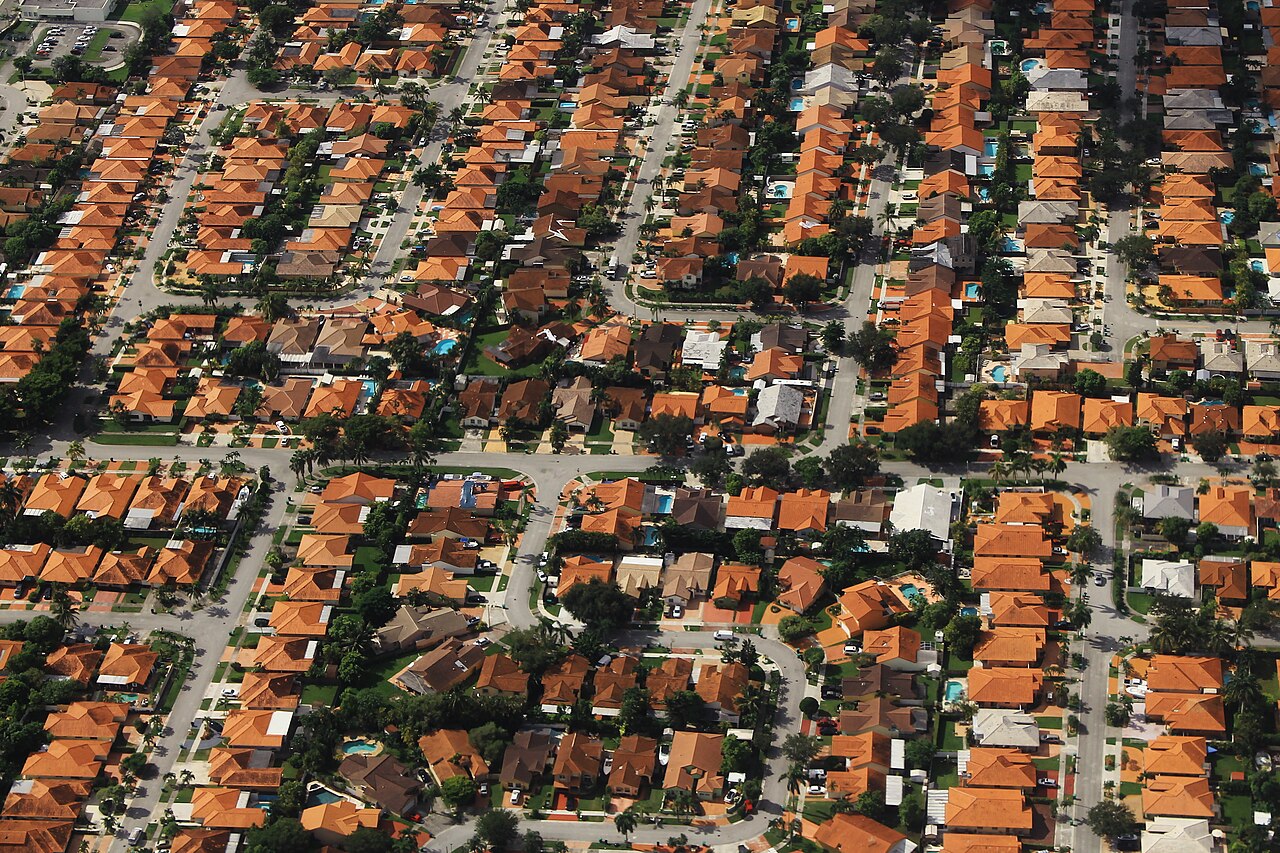
Concrete and clay tile roofs are everywhere in Palm Beach County: Boca Raton, Wellington, Jupiter, Delray Beach, and most of the gated communities west of I-95. They last a long time, but individual tiles crack when someone walks on them, a branch drops, or a storm sends debris across the roof. Tiles slip when fasteners or adhesive let go. Ridge and hip pieces lose their mortar. And when a homeowner or insurer patches a few spots, the new tiles often look nothing like a roof that has been baking in the sun for fifteen years.
From the street, an association manager sees a broken tile, a gap, or a bright patch of new color. Any of those can produce a violation letter. This guide covers what HOAs actually cite on tile roofs, what Florida’s building code and statutes say about tile repairs, how to handle the matching problem, and how to answer the notice so the file closes. If the letter is about mildew or black streaks rather than damage, see our roof cleaning violation guide. If it’s about a full replacement or a change of material or color, see roof replacement and color violations.
What HOAs Cite on Tile Roofs
- Cracked or broken tiles visible from the street or a neighbor’s yard, including corners snapped off at the eave.
- Slipped or displaced tiles that have slid out of their course, leaving a stepped line or an exposed gap.
- Missing tiles, often after a storm, sometimes covered with a tarp. If a tarp is part of the notice, read our blue tarp storm repair guide too.
- Mismatched replacement tiles in a different color, profile, or size from the rest of the roof.
- Loose or crumbling ridge and hip caps, or mortar falling onto the driveway.
- Faded or uneven color on painted or coated tiles where the community standard calls for a uniform approved color.
The notice should tell you which rule it relies on. Ask the manager for the declaration section or architectural standard by number if it doesn’t. The wording matters: a rule requiring the roof to be “kept in good repair” is satisfied by fixing the damage, while a rule requiring repairs to “match the original in color, profile, and size” sets a higher bar for the fix itself.
Florida’s 25% Roof Rule, and Why It Rarely Applies to a Tile Notice
Homeowners often hear that repairing a Florida roof means replacing the whole thing. That comes from the Florida Building Code, which says that not more than 25% of the total roof area or roof section of an existing building may be repaired, replaced, or recovered in any 12-month period unless the roof covering on the entire roof or section is replaced or recovered to current code.
Two things limit that rule for a typical HOA tile citation. First, a handful of cracked or slipped tiles is nowhere near a quarter of a roof section. Second, the code and Fla. Stat. §553.844(5) carve out an exception: if the existing roof system or section was built, repaired, or replaced in compliance with the 2007 Florida Building Code or any later edition, and 25% or more of it is being repaired, replaced, or recovered, only the repaired, replaced, or recovered portion has to meet the code currently in effect. The statute bars local governments from amending that exception by ordinance.
So a contractor or insurer who tells you a few tiles require a whole new roof is usually wrong on the code. Your HOA’s standards are a separate question. Some associations, faced with old discontinued tile, have told owners that a patch that doesn’t match won’t be approved and that the slope or roof has to be replaced to keep a uniform look. That is a covenant issue, not a building code one, and it’s worth pinning down early.
Reusing Salvaged Tile
The Florida Building Code permits existing or salvaged slate, clay, or concrete tile to be reinstalled or reused to repair an existing tile roof, provided the salvaged tile is of like kind in both material and profile. It also says damaged, cracked, or broken tile cannot be reinstalled.
That rule is useful for matching. On a roof that has weathered for years, new tile in the “same” color can still look wrong. Roofers often pull sound tiles from a less visible slope, such as the back of the house or over the garage, use them on the street-facing side, and put the new tiles where nobody sees them. Some keep salvaged tile from local re-roofs. Ask for it by name when you get quotes.
Got a roof tile notice with a deadline?
Tell us what the letter cites. HOAFixFast matches Palm Beach County homeowners with licensed roofers who handle tile repairs, sourcing matching or salvaged tile, and photo documentation you can send the committee.
Get Help With My Violation →The Matching Problem: Covenants, ARC, and Insurance
Matching is where most tile files stall. There are three separate sets of rules, and they don’t always agree.
1. What your community standards require
Read the roof section of your architectural guidelines. Some list approved tile manufacturers, profiles, and colors. Some only say repairs must be consistent with the original design. Under Fla. Stat. §720.3035, an association’s architectural review authority extends only to the improvements its declaration specifically covers or reasonably implies, and a denial has to state in writing which rule your request doesn’t meet. Our ARC denial guide explains how to respond if the board turns down a reasonable match.
2. Whether the repair needs approval at all
Many guidelines exempt like-for-like repairs from review, and many don’t. If the tile is the same profile and color, ask the manager by email whether an application is needed. If the tile is different in any way, apply first. A repair done without required approval can draw a second notice even though the roof is fixed.
3. What your insurer owes if the damage is covered
If a storm or other covered event broke the tiles, Fla. Stat. §626.9744 applies to homeowner policies that settle on repair or replacement cost. When replaced items don’t match in quality, color, or size, the insurer must make reasonable repairs or replacement of items in adjoining areas. The insurer can consider cost, the degree of uniformity achievable without that cost, the remaining useful life of the undamaged roof, and other factors, and the statute applies unless the policy provides otherwise. Some carriers have filed policy forms with matching sub-limits, so read your declarations page and endorsements. If the HOA requires a match that a patch can’t achieve, put the association’s written standard in front of the adjuster. Our guide to HOA violations and homeowners insurance covers how the two interact.
Permits and Who Can Do the Work
Roofing work in Florida is licensed work. Use a state-licensed roofing contractor (or a certified general or building contractor whose license covers it), and verify the license on the Florida DBPR site before you sign. Whether a small tile repair needs a building permit depends on the scope and on the jurisdiction. Unincorporated Palm Beach County and each city building department set their own thresholds for minor repairs, and a re-roof always needs a permit. Ask your roofer which department covers your address and get the answer in the quote. If a permit is pulled, keep the final inspection record with your cure photos.
Don’t walk the roof yourself to inspect or replace tiles. Concrete and clay tile cracks under foot traffic, which is how a lot of these notices start, and a fall from a tile roof is a serious injury.
Step-by-Step: Closing a Roof Tile Violation
- Read the notice for the deadline and the rule cited. Write down the cure date and ask for the section number if it isn’t listed.
- Photograph the roof from the street on the day you get the notice, so you can show exactly what was fixed.
- Get one or two quotes from licensed roofers that name the tile profile and color, whether new or salvaged tile will be used, and the number of tiles or area involved.
- Ask the manager in writing whether ARC approval is needed, attaching the tile spec. If yes, submit the application right away and ask for an extension while it’s pending.
- If the damage came from a storm, notify your insurer before the repair, and keep the adjuster’s estimate.
- Do the work and get after photos from the same street angles, plus the roofer’s invoice.
- Send the cure package (before and after photos, invoice, any permit or ARC approval) to the manager, and ask for written confirmation that the violation is closed.
Under Fla. Stat. §720.305, an association must give at least 14 days’ written notice and an opportunity for a hearing before an independent committee before it fines you, and if you cure the violation before the hearing, or in the manner the notice specifies, no fine may be imposed. Our cure-before-hearing guide explains how to document the cure. If the repair can’t realistically be done by the deadline, because tile is back-ordered or the ARC hasn’t ruled, ask for an extension in writing before the date passes, and use our HOA response generator to draft the request.
Mistakes That Keep the File Open
- Patching with whatever tile the roofer has on the truck, creating a new mismatch citation.
- Reinstalling a cracked tile, which the building code doesn’t allow.
- Letting someone talk you into a full re-roof on the theory that the 25% rule requires it for a few tiles.
- Skipping the ARC question when the tile differs from the original in any way.
- Leaving a tarp up for months while waiting on an insurance claim without telling the manager.
- Fixing the roof but never sending proof, so the file stays open until the next inspection.
Frequently Asked Questions
Can my HOA fine me for a few cracked or missing roof tiles?
If your declaration or architectural standards require owners to keep the exterior and roof in good repair, broken, slipped, or missing tiles are a common maintenance citation. Before any fine, Fla. Stat. §720.305 requires at least 14 days’ written notice and an opportunity for a hearing before an independent committee, and if you cure the violation before the hearing or in the manner the notice specifies, no fine may be imposed.
Does replacing a handful of tiles trigger Florida’s 25% roof rule?
Usually not. The Florida Building Code limits repairs to no more than 25% of a roof area or roof section in any 12-month period unless the whole roof or section is brought up to current code. A few tiles is far below that. And under Fla. Stat. §553.844(5), if the roof was built, repaired, or replaced under the 2007 Florida Building Code or later, even a repair of 25% or more only requires the repaired portion to meet current code.
Can a roofer reuse old tiles to make the repair match?
The Florida Building Code allows existing or salvaged slate, clay, or concrete tile to be reused to repair an existing tile roof, as long as the salvaged tile is the same kind in both material and profile. Damaged, cracked, or broken tile cannot be reinstalled. Salvaged tiles from a hidden slope, a garage, or a neighbor’s re-roof are often the best color match on an older roof.
The replacement tiles don’t match. Will the HOA accept them?
That depends on your community standards. Many Florida associations require repairs to match the existing roof in color, profile, and size, and some boards treat an obvious patch as a new violation. If the tile is discontinued or weathered, ask the ARC in writing whether a close match, a slope-by-slope replacement, or painting or coating the tiles to an approved color is acceptable before the work starts.
Will insurance pay to replace tiles that are not damaged so the roof matches?
For homeowner policies that settle on repair or replacement cost, Fla. Stat. §626.9744 says that when replaced items don’t match in quality, color, or size, the insurer must make reasonable repairs or replacement of items in adjoining areas. The insurer can weigh cost, the degree of uniformity achievable, remaining useful life, and other factors, and the statute applies unless the policy provides otherwise. Some policies carry matching sub-limits, so read yours.
Do I need ARC approval to fix my roof tiles?
Like-for-like repairs are often exempt from architectural review, but not always, and a different tile profile, color, or material almost always needs approval. Check your architectural guidelines or email the manager to ask whether the repair needs an application. Get the answer in writing, because a repair done without required approval can be cited even if it fixes the original problem.
Need the roof tiles fixed before the hearing?
Send us the notice. HOAFixFast connects Palm Beach County homeowners with licensed roofers for cracked, slipped, and missing tile repairs, matching and salvaged tile, and the documentation to close the file.
Get Help With My Violation →Sources: Fla. Stat. §553.844 (roof repair exception for roofs built to the 2007 Florida Building Code or later), §626.9744 (claim settlement and matching), §720.3035 (architectural review authority), and §720.305 (notice, hearing, and cure), Florida Legislature / Online Sunshine and The Florida Senate; Florida Building Code, Building, Section 1511 (Reroofing), including 1511.1.1 (25% repair limit and exception) and 1511.5 (reinstallation and reuse of tile), via UpCodes; Palm Beach County Planning, Zoning & Building, reroofing forms and permit guidance. This page summarizes public information. It is not legal, insurance, or contracting advice. Your declaration, architectural standards, policy, and local building department control.